IT — Italiano
  ES — Espanol
  PT — Portuguese
  RU — Russian
  JA — Japanese
  ZH — Chinese
  FR — Français
  DE — Deutsch
 Renaissance art in Rome
After the rough medieval period, Rome experienced the artistic explosion of Renaissance as a protagonist, thanks to the Popes who commissioned some of the most beautiful and famous works of all time. Given the huge number of paintings, sculptures and architecture masterpieces from the Renaissance period located in the capital, we suggest an itinerary to discover the most interesting ones.
A trail through Renaissance art in Rome
After the rough medieval period, Rome experienced the artistic explosion of Renaissance as a protagonist, thanks to the Popes who commissioned some of the most beautiful and famous works of all time. Given the huge number of paintings, sculptures and architecture masterpieces from the Renaissance period located in the capital, we suggest an itinerary to discover the most interesting ones.The proposal is demanding for a single day – that we suggest to dedicate it all to the Vatican Museums , a "not to miss" sight that takes time to be correctly enjoyed and understood. You'd better divide it in two days, possibly optimizing your transfers with the practical Sightseeing bus , or the picturesque Tiber River Hop on - Hop off Cruise ticket .
Michelangelo's Moses
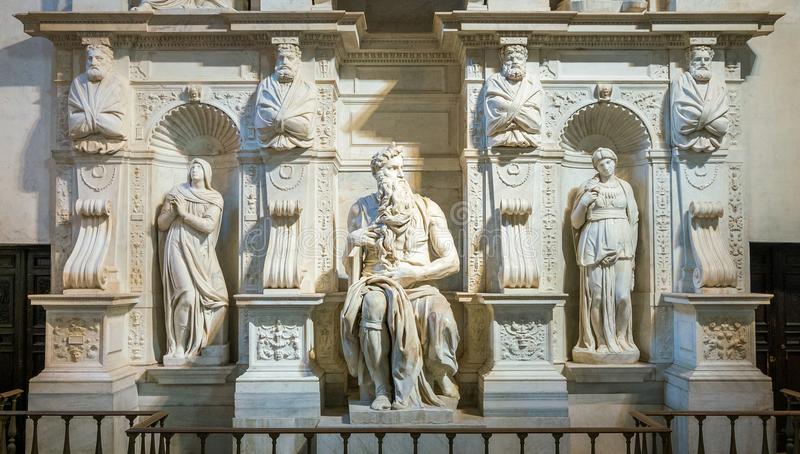
Our trail departs from the Church of San Pietro in Vincoli, located in the homonym square, which hosts one of the absolute masterpieces of Renaissance: Michelangelo's Moses . It is said that the master himself, contemplating the work at the end of the last finishes, was so amazed by the realism of its forms that exclaimed: "Why do not you speak?".After this visit, continue taking subway at Cavour stop up to Barberini, or walk of about 20 minutes along the elegant Via Nazionale and Palazzo delle Esposizioni (seat of great temporary exhibitions) to reach the National Gallery of Ancient Art located inside Palazzo Barberini . It is one of the most important Italian museums, with over 500 works by masters such as Raphael ("La Fornarina"), Tintoretto ("Christ and the Adulteress"), Lippi ("The Annunciation"), Fra Angelico ("Triptych") and many others including Titian, Bernini, Caravaggio, van Dyck, Rubens and El Greco, just to name a few.
Roman Marbles
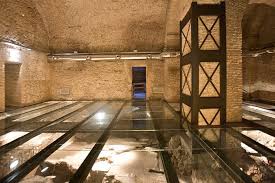
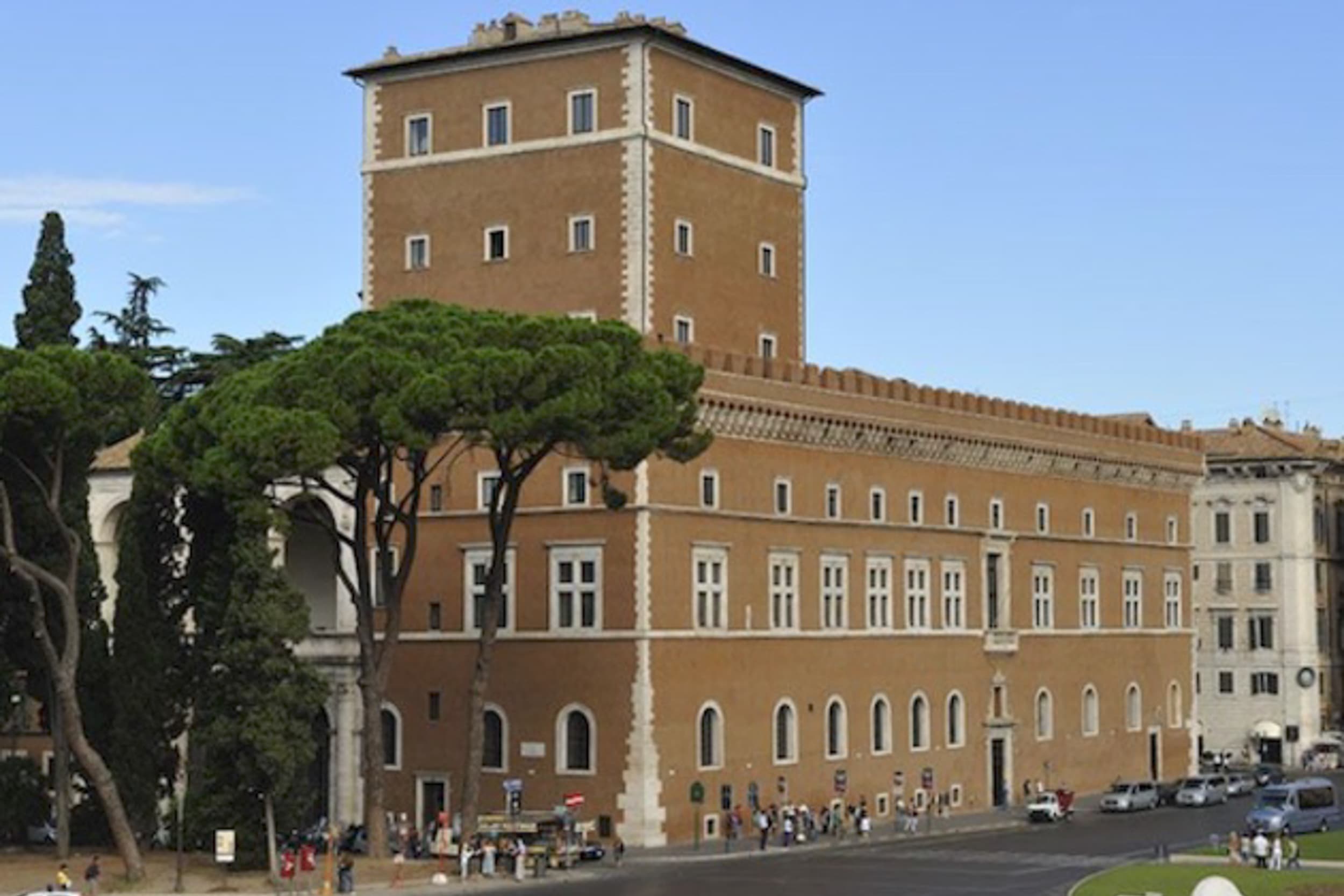
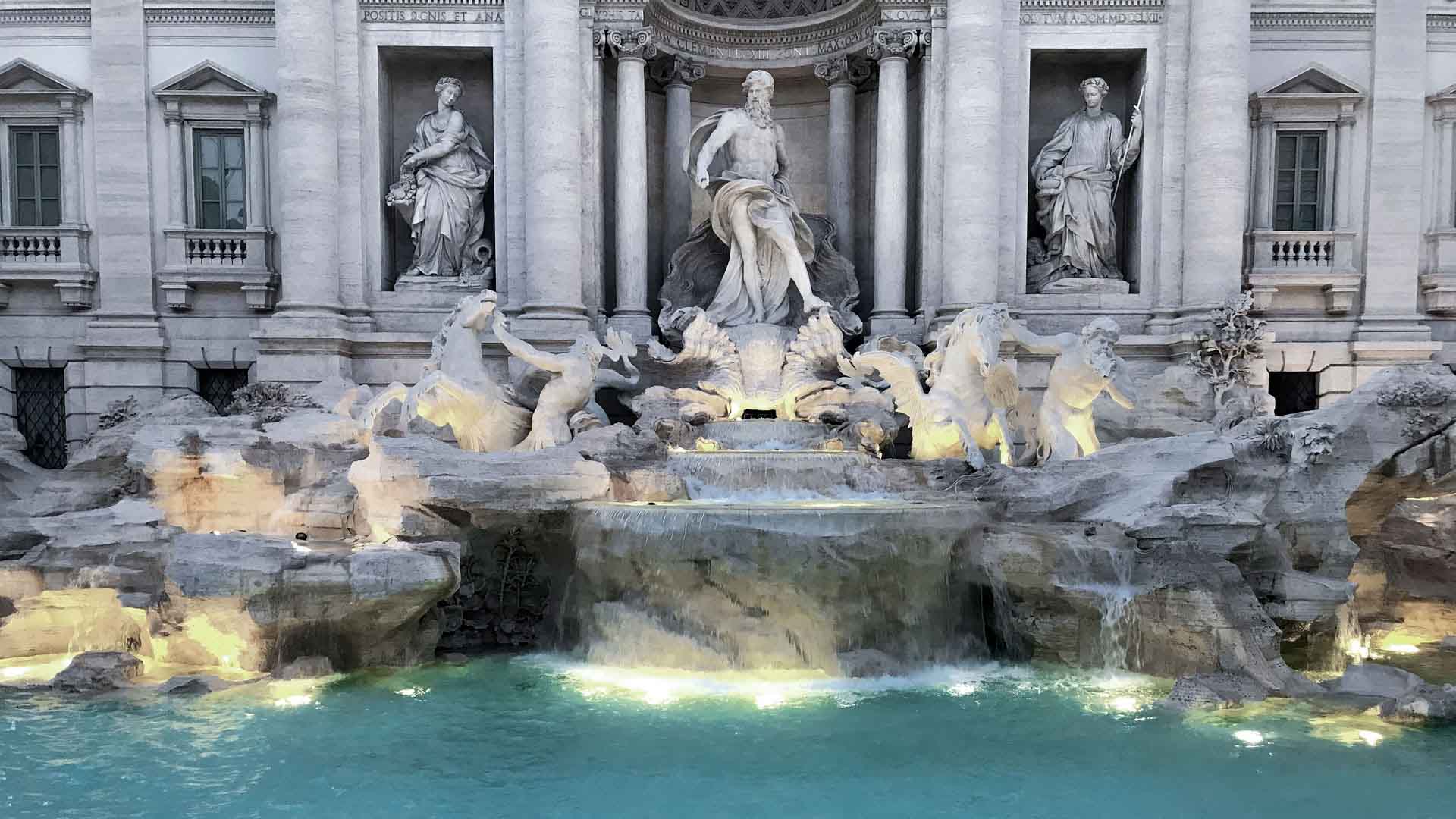
Leave the Gallery and walk for about ten minutes on Via Rasella up to the gorgeous Trevi's Fountain , iconic image of the Eternal City. Then, head to Piazza Venezia, to admire two Renaissance masterpieces: Palazzo Venezia, the best example of Renaissance palace (hosting Museo di Palazzo Venezia, sadly famous for the balcony used by Benito Mussolini for his speeches) and Piazza del Campidoglio , projected by Michelangelo, and currently seat of the Town Hall and the Capitoline Museums.Piazza Venezia is also the location for the amazing experience of the Roman Domus of Domus Romanae di Palazzo Valentini , offering visitors an evocative travel back in time to Ancient Rome. We are now a stone's throw from Via dei Fori Imperiali , the access way to the Imperial Rome.
The itinerary continues towards the city center, towards Via del Corso. Piazza Colonna is an example of a Renaissance square, commissioned in 1500 by Pope Sixtus V, who placed the column dedicated to Marcus Aurelius at its center. Continuing on the right you'll find Via dei Condotti (the top destination for luxury shopping) and the iconic Piazza di Spagna . At the top of the famous Spanish Steps you'll find the Church of Trinità dei Monti , home to the famous fresco "The Deposition" by Daniele da Volterra. The area is also ideal for a shopping stop or to enjoy a coffee in one of the many bars. Our Classic Rome tour will take you through this itinerary, enriched by many other spots and accompanied by the interesting explanations of the guide.
Piazza Navona and Raphael
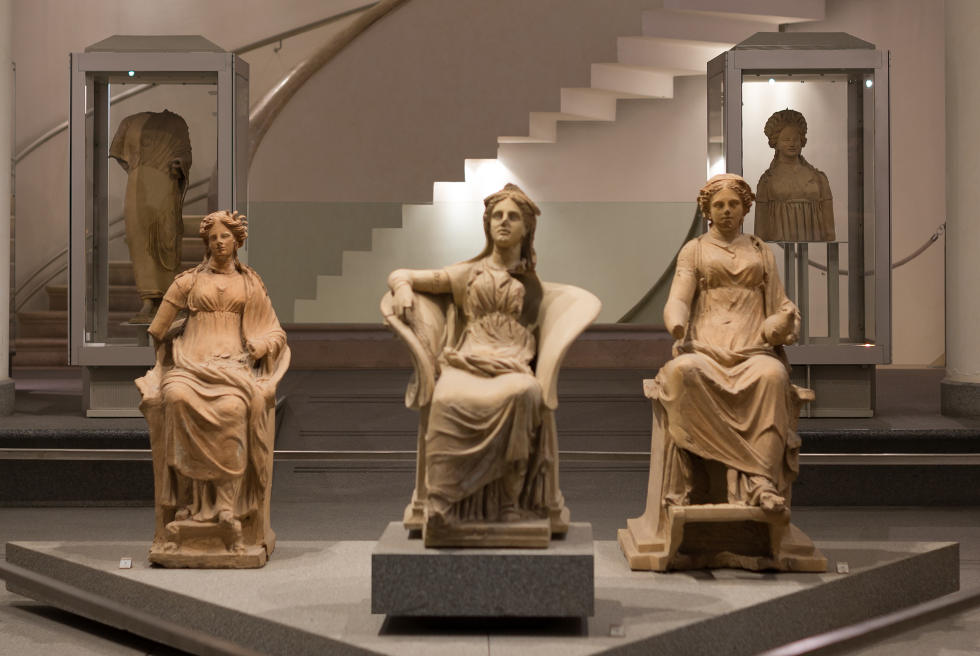
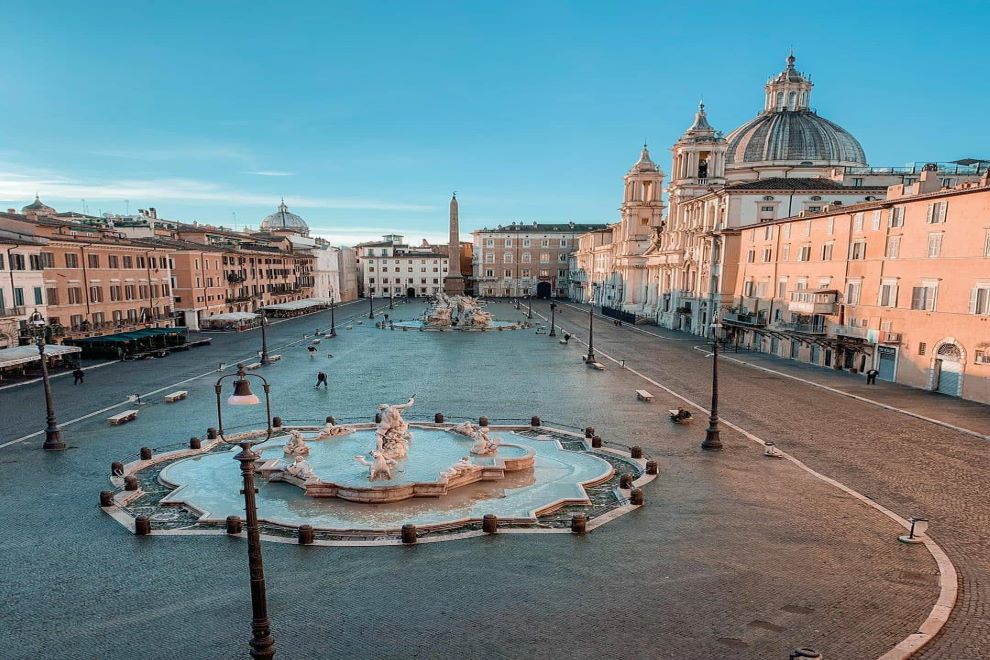
Take Via dei Condotti back towards Piazza Navona and stop at Palazzo Altemps, recently restored, one of the four seats of the National Roman Museum. Next to Palazzo Altemps you find the splendid Piazza Navona, the heart of the city, beautifully decorated by Bernini's Four Rivers Fountain. Our next stop is the Church of Santa Maria della Pace, built by Pietro da Cortona with a beautiful fresco by Raphael. Adjacent to the church, don't miss the Bramante's Cloister, the first Roman palace built by Raphael. From here we have two alternatives. Continuing along the Tiber river, you will find the Church of Santa Maria in Vallicella (which hosts a wonderful fresco by Pietro da Cortona) and Via Giulia, surrounded by Renaissance palaces. At the end of the road turn left up to Palazzo Farnese, another Renaissance masterpiece started by Sangallo and finished by Michelangelo, now home to the Embassy of France. The other option leads you to the Tiber river, crossing Umberto I bridge up to Castel Sant'Angelo (take a close look at the decorations by Perin del Vaga) and then the Vatican and the incredible Vatican Museums which house some of the most important masterpieces of Renaissance art, such as the four Raphael's rooms and Michelangelo's Sistine Chapel, just to mention the most famous ones. The adjacent Saint Peter's Basilica hosts, instead the superb Michelangelo's Pietà.Photo gallery