IT — Italiano
  ES — Espanol
  PT — Portuguese
  RU — Russian
  JA — Japanese
  ZH — Chinese
  FR — Français
  DE — Deutsch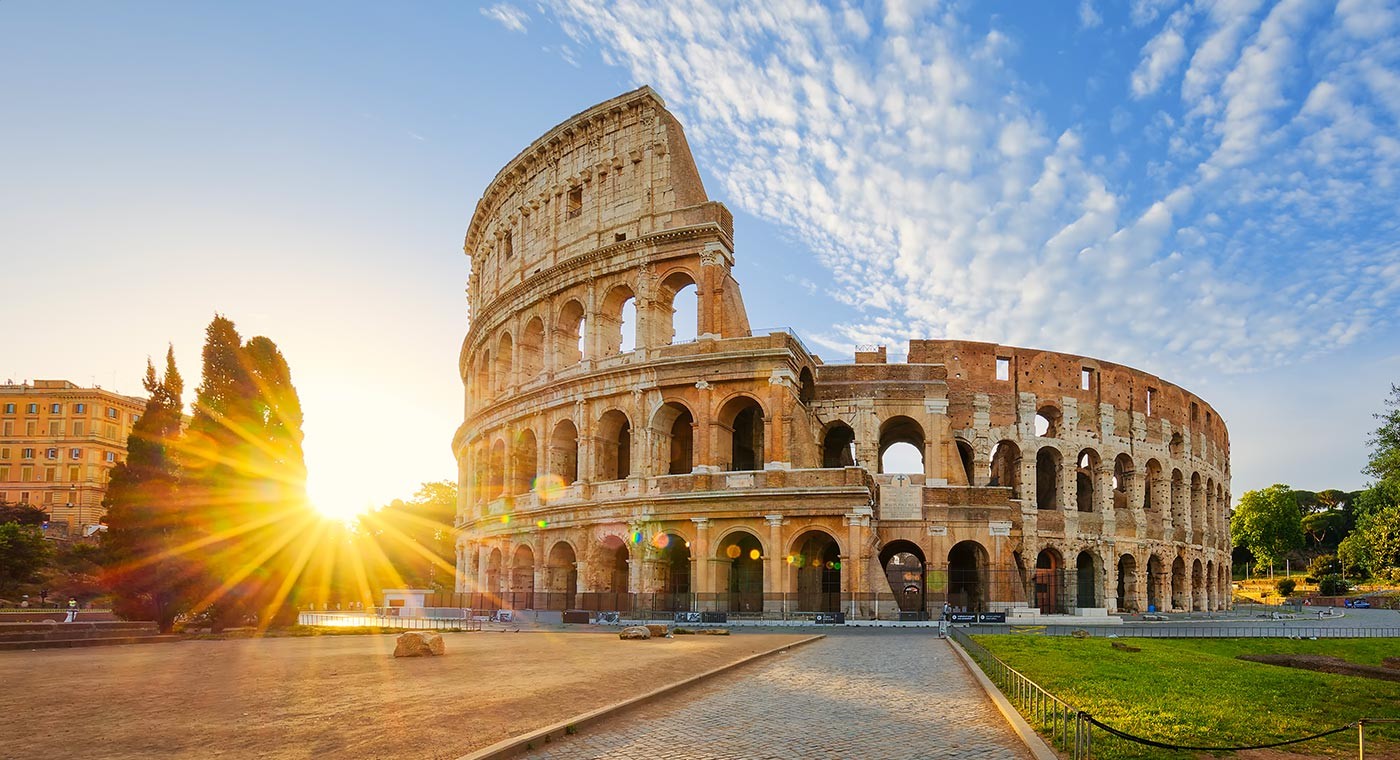
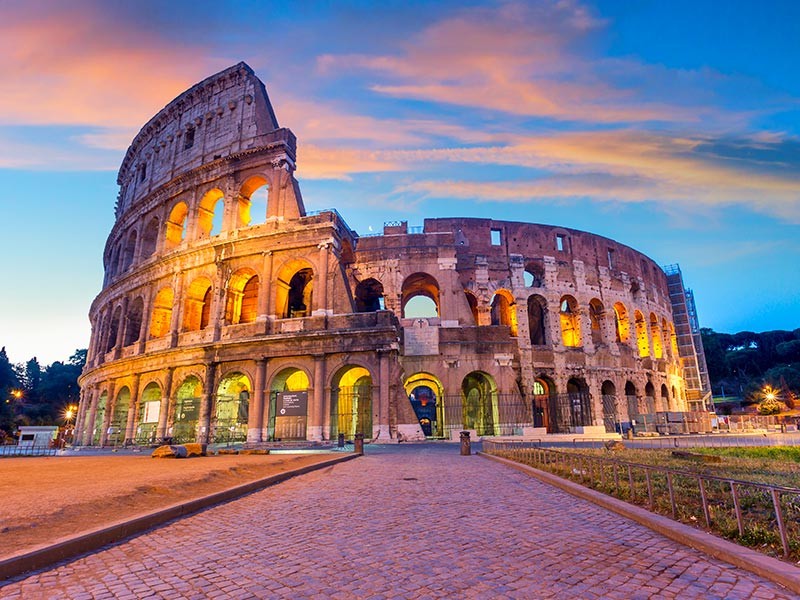
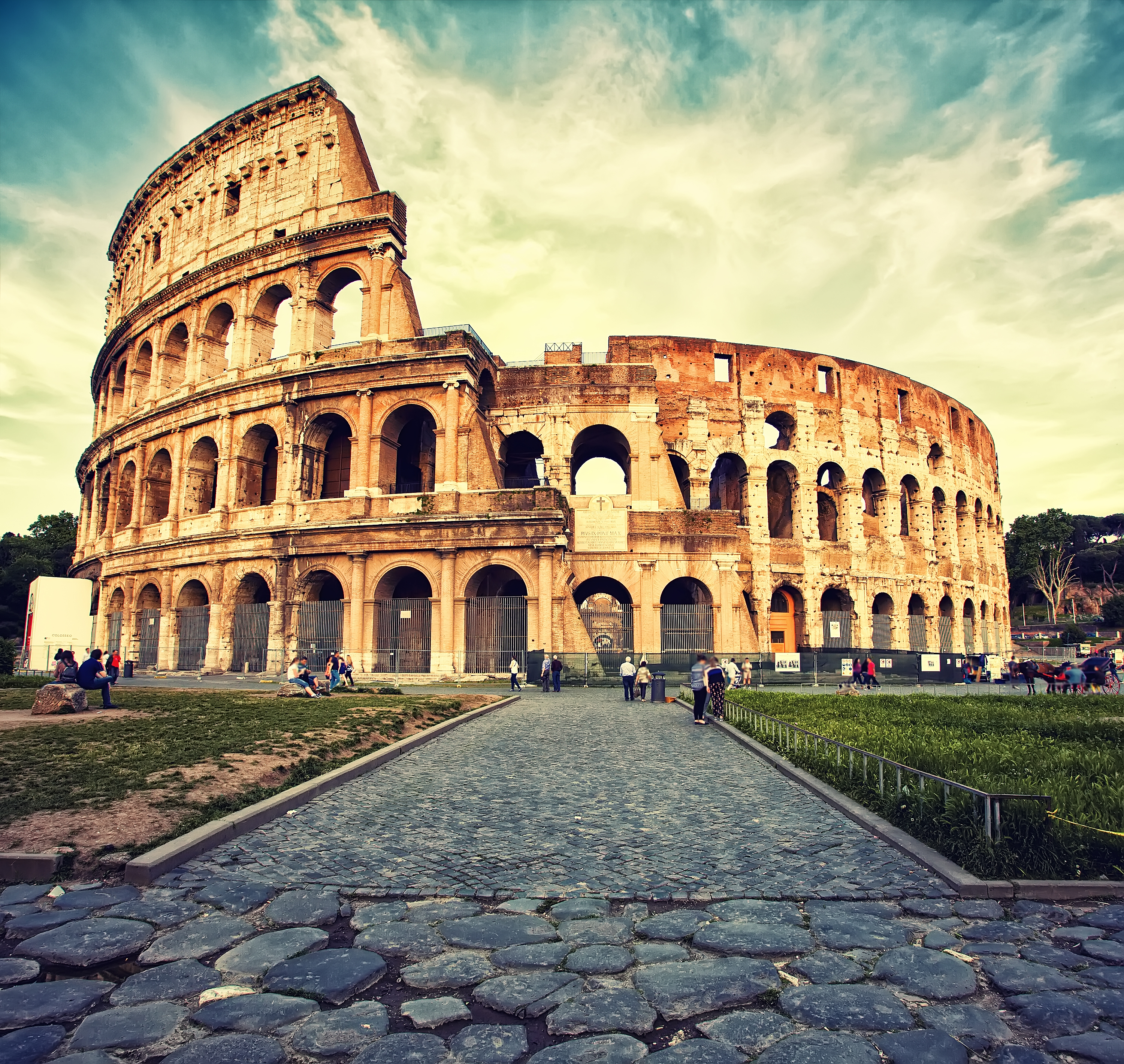
Discover the most famous symbol of the city of Rome: the Colosseum.
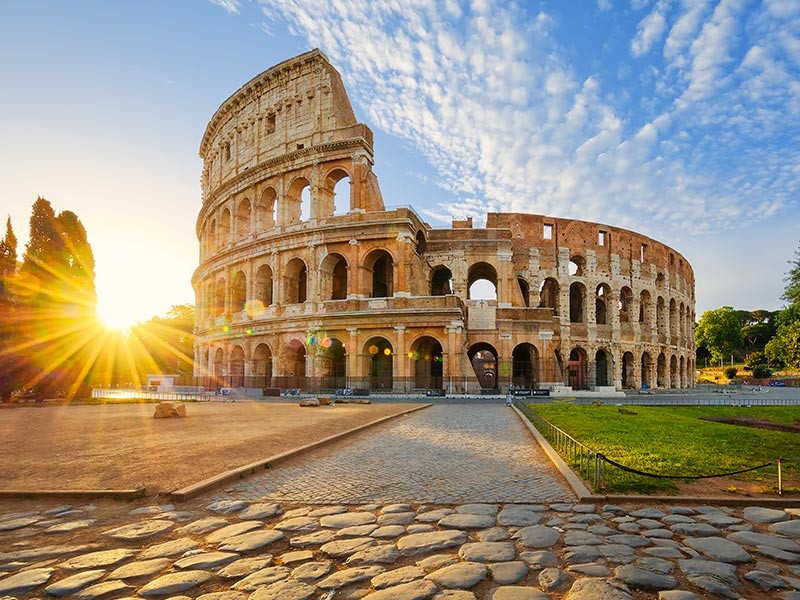
Discover the most famous symbol of the city of Rome – the Colosseum (or Flavian Amphitheater). A most impressive piece of evidence of Ancient Rome, the amphitheater was built to glorify the Roman power and to satisfy the people's appetite for entertainment. Don't visit Rome without admiring this true masterpiece of engineering!
- Reservations are limited to 13 persons maximum Guided tours:
Fixed departure times for visits in Italian:
* Monday to Thursday: 10:00 and 11:30
Fixed departure times for visits in English:
* Monday to Thursday: 10:30 and 12:30
Fixed departure times for visits in Spanish:
* Monday to Thursday: 11:00 and 12:15
Fixed departure times for visits in French:
* Monday to Thursday: 11:15 and 12:30
IMPORTANT NOTE: The time you select on the order form is your preferred time. The museum or attraction will automatically confirm the closest available time, which can be anytime during opening hours on the selected date, if your preferred time is no longer available.
Save time ordering: Add all the service tickets you want into your basket, then fill in the form and send your request.
PLEASE NOTE: Immediately after submitting an order, you will receive an email with your order summary plus a second email confirming your successful payment. A confirmation email with links to the vouchers will be sent one business day after you place your order (Monday afternoon for orders submitted on Friday and during the weekend). Please make sure that your anti-spam filter does not block automatic emails from [email protected].
Intro
Palatine Museum
The Palatine Museum and the Roman Forum
(Please note: your ticket is valid for these sites too, without guided visit)
The Palatine Hill is located between the Roman Forum, the Velabrum and the Circus Maximus. It is one of the seven hills of Rome, and probably the site of the first settlements of the city. The western side of the Palatine Hill is where Roman mythology places the site of the dwelling of Romulus, as well as the cave where Romulus and Remus were raised by the she-wolf.
The Palatine Antiquarium Museum is located on the Palatine Hill, on top of what was once the palace of Domitian. The former Convento della Visitazione was built here in 1868. The museum was set up around 1930 by Alfonso Bartoli. In the beginning, only the first floor was used to exhibit the most important material, including findings from Diocletian's Baths. After WWII, items of greatest artistic importance were relocated to the Museo Nazionale Romano, while the Palatine Museum was dedicated to exhibiting items relating to the topography of the Palatine Hill and its monuments.
The museum was reorganized by the end of the 1960's. After a long closure period and recovery of Diocletian's sculptures, the Palatine Museum reopened to the public showing the artistic culture of the Domus from Augustus to late imperial times.
The Palatine Museum is entirely devoted to ceramics, frescoes, mosaics, inscriptions, sculptures and portrait heads actually found on the hill. Given the lasting importance of this relatively small area of the city, the museum's mere nine rooms offer a remarkably rich and comprehensive tour through ancient Roman history and art.
Cancellation Policy
Before You Book
IMPORTANT NOTE: The time you select on the order form is your preferred time. The closest available time, which can be anytime during opening hours on the selected date, will be automatically confirmed if your preferred time is no longer available.
Rome
galleria